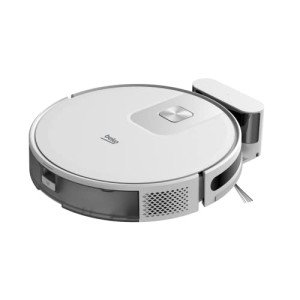
The Rise of Autonomous Vacuums: Revolutionizing Home Cleaning
In the age of innovation, household chores are ending up being progressively automated, and one of the most noteworthy developments in this world is the autonomous vacuum. These smart cleaning robots are created to reduce the drudgery of standard vacuuming, making them popular amongst time-strapped households. This post checks out the evolution, performance, advantages, and restrictions of autonomous vacuums, together with a comparison of some of the leading designs on the market today.
What is an Autonomous Vacuum?
An autonomous vacuum, also called a robotic vacuum cleaner , is a little, automatic device that navigates through your home to clean floorings without human intervention. Geared up with sensors, cams, and advanced software, these vacuums can discover challenges, avoid stairs, and enhance cleaning paths. They typically run from a rechargeable battery, going back to their charging stations when their power is low or when cleaning tasks are finished.
Key Features of Autonomous Vacuums
Smart Navigation:
- Utilizes sensing units and algorithms to map the environment.
- Can browse complicated designs and prevent barriers.
Scheduling:
- Allows users to set cleaning times.
- Can run when your home is empty, ensuring very little interruption.
Connectivity:
- Many models connect to Wi-Fi, enabling app control and combination with clever home systems.
- Users can personalize settings, check cleaning status, and get notices through mobile applications.
Suction Power:
- Varies between models; some offer adjustable suction settings for different floor types.
- High-end designs feature effective suction efficient in getting animal hair and deep dirt.
Floor Type Adaptability:
- Capable of cleaning carpets, hardwood, tiles, and more.
- Certain designs specialize in tailored cleaning for multiple surface areas.
The Advantages of Using Autonomous Vacuums
1. Time-Saving
Among the most significant advantages of autonomous vacuums is the quantity of time they conserve. Instead of spending hours pushing a traditional vacuum, house owners can set robotic vacuums to clean while they are engaged in other activities.
2. Consistent Cleaning Schedule
With the ability to set up cleansings, these vacuums guarantee that spaces are regularly cleaned up, causing a cleaner home overall. Routine cleaning assists maintain indoor air quality, particularly for households with allergies or asthma.
3. Smart Home Integration
Numerous autonomous vacuums can be integrated with smart home systems for smooth operation. Homeowners can manage their vacuums via voice commands through devices like Amazon Alexa or Google Assistant, improving user benefit.
4. Compact Design
The slim profile of these devices permits them to clean under furnishings, such as couches and beds, where standard vacuums often can not reach.
5. Pet-Friendly
For family pet owners, autonomous vacuums can be a game-changer, as they are typically geared up with specialized functions for getting pet hair and dander, contributing to a cleaner home environment.
Limitations of Autonomous Vacuums
Regardless of their lots of benefits, autonomous vacuums likewise have limitations:
1. Minimal Deep Cleaning
While these vacuums effectively preserve cleanliness, they may not replace the efficiency of a deep clean offered by standard vacuums, particularly for heavily stained locations.
2. Capacity Constraints
Many autonomous vacuums come with small dust bins that require to be cleared often, particularly in larger homes or homes with family pets. This can be a hassle for some users.
3. Navigation Challenges
Although navigation technology is constantly enhancing, some models might battle with specific layouts, particularly intricate areas with numerous barriers or extremely little rooms.
4. Price Point
While prices have become more available, high-end designs can still be quite expensive, posturing a barrier for some consumers.
Contrast of Top Autonomous Vacuum Models
| Design | Smart Features | Battery Life | Suction Strength | Price Range |
|---|---|---|---|---|
| iRobot Roomba 980 | App Control, Voice Assistant | 120 minutes | 1700 Pa | ₤ 700 - ₤ 900 |
| Roborock S6 MaxV | Advanced Mapping, Connectable | 180 minutes | 2500 Pa | ₤ 600 - ₤ 800 |
| Ecovacs Deebot Ozmo | Mopping, Smart Home | 110 minutes | 1500 Pa | ₤ 450 - ₤ 700 |
| Neato Botvac D7 | Laser Navigation, Custom Zones | 120 minutes | 2000 Pa | ₤ 800 - ₤ 900 |
| Shark IQ Robot | Self-Emptying Base, Smart Map | 90 minutes | 1500 Pa | ₤ 400 - ₤ 600 |
Notable Takeaways
- Smart Features: Consumers ought to focus on models using robust smart features for convenience and efficiency.
- Battery Life: A longer battery life is helpful for larger living areas.
- Suction Strength: Depending on home needs, varying suction power can considerably impact cleaning effectiveness.
Frequently Asked Questions about Autonomous Vacuums
Q1: How do I preserve my autonomous vacuum?
A: Regular upkeep includes cleaning the brushes, clearing the dustbin, and inspecting for blockages. In addition, keeping the sensors clean will assist preserve navigation precision.
Q2: Can robotic vacuums clean carpets and carpets?
A: Yes, numerous robotic vacuums are developed to effectively clean both tough surface areas and carpets. However, suction power might differ based on the design.
Q3: Do robotic vacuums require Wi-Fi?
A: While many autonomous vacuums gain from Wi-Fi connection for app control and updates, some models can run individually without a wireless connection.
Q4: How often should I run my robotic vacuum?
A: It depends upon your living situation, however running it several times a week is typically recommended, particularly for homes with family pets.
In conclusion, autonomous vacuums represent a substantial advancement in home cleaning innovation, promising convenience and efficiency. While these devices might not entirely replace traditional vacuum, they are undoubtedly useful in preserving a tidy living environment. As innovation continues to progress, the future of home cleaning looks promising, and these gadgets are at the forefront of the transformation.